
0%
Filled with laugh-out-loud hilarious text and cartoons, the Diary of a Wimpy Kid series follows Greg Heffley as he records the daily trials and triumphs of friendship, family life and middle school where undersized weaklings have to share the hallways with kids who are taller, meaner and already shaving! On top of all that, Greg must be careful to avoid the dreaded CHEESE TOUCH!
The first book in the series was published in 2007 and became instantly popular for its relatable humor. Today, more than 300 million copies have been sold around the world!
Social media has revolutionized how Rajasthani youth express romance. The terms Banna (Rajput gentleman) and Baisa (Rajput lady) have become popularized in digital romantic aesthetics.
Rajasthan, the “Land of Kings,” is often visualized through a prism of valorous forts, vivid turbans, and harsh, golden deserts. Yet, beneath this hardy exterior lies a sophisticated social tapestry where human relationships—particularly those forged through work and those ignited by romance—are deeply intertwined. In Rajasthani culture, work relationships and romantic storylines are not separate domains; rather, they form a continuum of loyalty, sacrifice, and emotional resilience. While traditional folklore celebrates romance that defies feudal work structures, contemporary narratives reveal a subtle evolution where shared economic labor becomes the new foundation for intimacy.
In the popular imagination, Rajasthan is a land of royal excess: Maharajas in gem-studded turbans, waif-like queens in swinging jhulas , and sprawling havelis that scrape a sky the colour of turmeric. But beneath the veneer of palace intrigues lies a grittier, more fascinating reality. For centuries, the economic and social fabric of Rajasthan has been woven not just by bloodlines, but by the complex, often fraught, relationships forged in the workplace. Whether in the stone quarries of Jaisalmer, the dyeing vats of Bagru, the carpet looms of Bhadohi, or the heritage hotels of Udaipur, the "work relationship" in Rajasthan is a crucible where loyalty, honour, patriarchy, and forbidden romance collide.
: This ancient custom involves a reciprocal exchange of brides between families—for example, a groom's sister may marry the bride's brother.
Romantic storylines on platforms like Instagram and YouTube often feature:
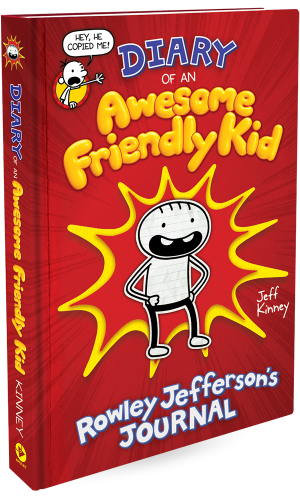
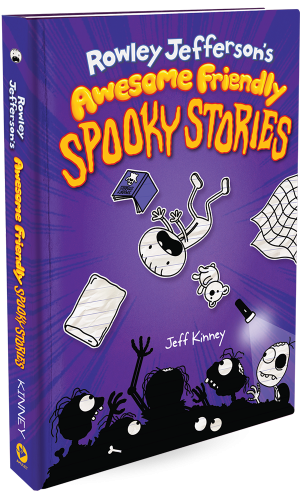
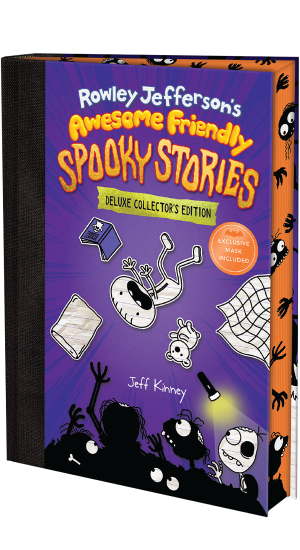
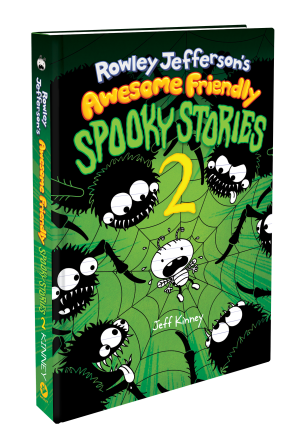
Get ready to see the Wimpy Kid world in a whole new way! Written and illustrated from the hilarious imagination of Greg Heffley’s best friend, Rowley Jefferson, the Awesome Friendly Kid series is filled with new adventures and vibrant stories that will have readers in stitches!
Click or scroll
through the books
www rajasthani sex work
Social media has revolutionized how Rajasthani youth express romance. The terms Banna (Rajput gentleman) and Baisa (Rajput lady) have become popularized in digital romantic aesthetics.
Rajasthan, the “Land of Kings,” is often visualized through a prism of valorous forts, vivid turbans, and harsh, golden deserts. Yet, beneath this hardy exterior lies a sophisticated social tapestry where human relationships—particularly those forged through work and those ignited by romance—are deeply intertwined. In Rajasthani culture, work relationships and romantic storylines are not separate domains; rather, they form a continuum of loyalty, sacrifice, and emotional resilience. While traditional folklore celebrates romance that defies feudal work structures, contemporary narratives reveal a subtle evolution where shared economic labor becomes the new foundation for intimacy.
In the popular imagination, Rajasthan is a land of royal excess: Maharajas in gem-studded turbans, waif-like queens in swinging jhulas , and sprawling havelis that scrape a sky the colour of turmeric. But beneath the veneer of palace intrigues lies a grittier, more fascinating reality. For centuries, the economic and social fabric of Rajasthan has been woven not just by bloodlines, but by the complex, often fraught, relationships forged in the workplace. Whether in the stone quarries of Jaisalmer, the dyeing vats of Bagru, the carpet looms of Bhadohi, or the heritage hotels of Udaipur, the "work relationship" in Rajasthan is a crucible where loyalty, honour, patriarchy, and forbidden romance collide.
: This ancient custom involves a reciprocal exchange of brides between families—for example, a groom's sister may marry the bride's brother.
Romantic storylines on platforms like Instagram and YouTube often feature: