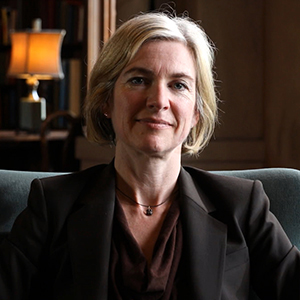
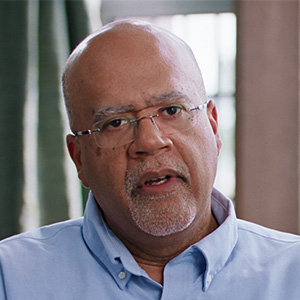
Kiana Frank, Native Hawaiian microbiologist, intertwines traditional wisdom with molecular techniques to reveal the role of nitrogen cycling in fish ponds.
Can we use modern genetic tools, like CRISPR-Cas9, as a way to help us understand coral biology and perhaps make corals more adaptive to climate change?
Mónica Feliú Mójer heads home to Puerto Rico to explore how culture, community, and identity have shaped her work as a scientist & science communicator.
Historically, the marginalization of older actresses was a direct function of the male gaze that dominated studio systems and production companies. Cinema, particularly Hollywood, was built on a mythology of youth and beauty. Female characters were typically defined by their relationships to men: the ingénue, the love interest, the supportive wife. As an actress aged, the scripts dried up, offering only one-dimensional roles as nagging spouses, comic relief grandmothers, or tragic figures whose sole purpose was to facilitate a younger character’s journey. This "invisibility cloak" that descended after 40 was not merely an artistic loss; it was an economic reality. Actresses like Meryl Streep, Glenn Close, and Judi Dench were the notable exceptions, often forced to play characters decades older than themselves to find work. The industry’s logic was circular and self-defeating: producers didn’t write complex roles for mature women because they believed audiences didn’t want them, and audiences were never given the chance to prove otherwise.
Despite growing advocacy, mature women in entertainment and cinema continue to face a "silver ceiling" characterized by significant underrepresentation and persistent stereotyping. While recent years have seen historic milestones for women in leading roles, these gains are disproportionately concentrated among younger actresses. Current State of Representation Historically, the marginalization of older actresses was a