In the contemporary digital landscape, short-form video content (clips) featuring celebrity relationships has become a dominant genre. Platforms like TikTok, Instagram Reels, and YouTube Shorts thrive on “relationship edits,” “couple compilations,” and romantic storyline recaps. This report analyzes the structure, psychological appeal, monetization, and cultural impact of these clips.
was the pair walking hand-in-hand, sparking global interest in their blossoming relationship. Engagement Season: The Next Step
To understand the phenomenon, one must first deconstruct the clip itself. Unlike the tabloid photograph of the past—static, easily deniable, and often grainy—the modern relationship clip is dynamic, audio-rich, and designed for virality. It is produced across a spectrum of intent. On one end are the candid, often predatory, paparazzo clips: a couple arguing outside a restaurant, holding hands on a beach, or conspicuously not wearing wedding rings. These clips rely on the aesthetic of the "authentic leak," suggesting a window into unguarded moments. On the other end are the highly produced, sanctioned clips: the "Couples Q&A" on YouTube, the joint Instagram Live, the behind-the-scenes footage from a music video shoot where co-stars share a lingering glance, or the carefully worded "breakup announcement" video.
While these clips are entertaining, there is a toxic underbelly. The demand for constant has led to dangerous invasions of privacy. Celebrities like Chloe Bailey and Machine Gun Kelly have publicly complained that being followed by dozens of camera phones during private dinners to generate "content" destroys any chance of organic romance.


 A virtual Model D like no other
 Modern studio upright piano
 Deeply sampled classic American concert grand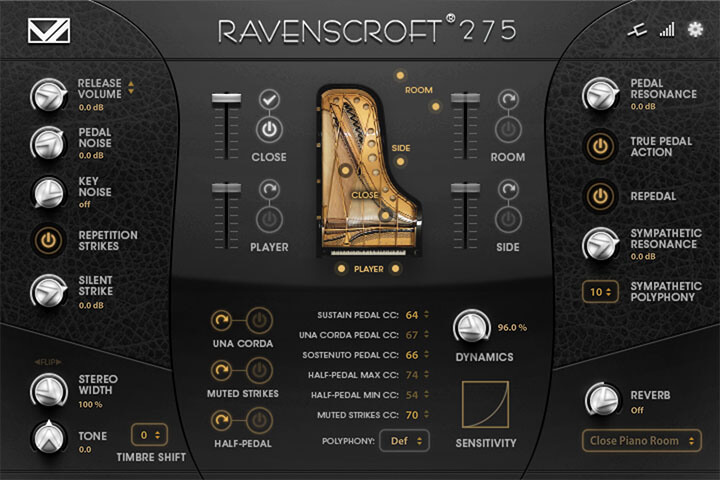
 A virtual piano like no other
 Three deeply sampled virtual concert grands
 Deeply sampled German semi-concert grand
 Deeply sampled 10 foot Italian concert grand